 Channing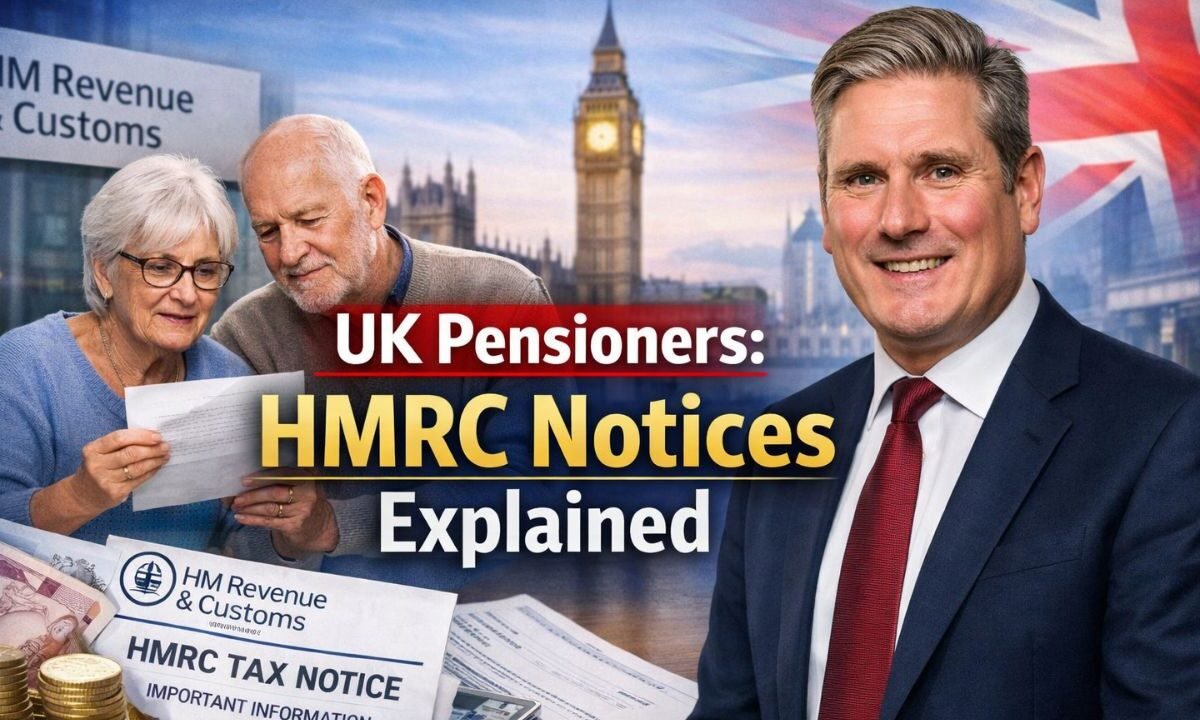
In 2026, HMRC (Her Majesty’s Revenue & Customs) has increased reviews and issued tax notices to UK pensioners who have savings of £3,000 or more.
Many retirees are confused about why they are receiving these notices and whether they need to pay tax on their savings interest or pensions.
This guide explains the latest rules, thresholds, allowances, actions to take, and what pensioners need to know to stay compliant with UK tax requirements.
Why HMRC Is Sending Notices
HMRC sends notices when information from banks and savings providers indicates that a pensioner’s total income, including pensions and savings interest, may exceed the available tax allowances.
Banks automatically report savings interest to HMRC each year. If the data suggests that a pensioner could owe tax, HMRC may contact them to adjust their tax code or issue a tax calculation.
Key Reasons Notices Are Issued
- Automatic reporting of savings interest to HMRC.
- Pension increases that push retirees closer to taxable income thresholds.
- Frozen personal tax allowances that mean more pensioners could enter the taxable bracket.
These notices are not penalties; they are part of HMRC’s process to ensure the correct tax is paid.
Key Allowances That Affect Pensioners
Whether a pensioner actually pays tax depends on several income thresholds and allowances. Below is a summary of the main allowances currently relevant for the 2025/26 tax year:
| Allowance Type | 2025/26 Amount | How It Works |
|---|---|---|
| Personal Allowance | £12,570 | Income you can earn before paying tax |
| Personal Savings Allowance (Basic Rate) | £1,000 | Tax‑free savings interest for basic rate taxpayers |
| Personal Savings Allowance (Higher Rate) | £500 | Tax‑free savings interest for higher rate taxpayers |
| Starting Rate for Savings | Up to £5,000 | 0% tax on savings interest if other income is low |
If a pensioner’s total income (pensions + interest) exceeds these allowances, they may have a tax liability.
What the £3,000 Savings Threshold Means
The mention of £3,000 in savings has become widely discussed because pensioners with amounts around this level often earn enough savings interest to affect their tax position. It is not a legal tax threshold that automatically triggers tax; instead, it is a practical level where interest earnings can push total income above tax allowances.
For example:
- A pensioner with State Pension and private pension income near the Personal Allowance may see savings interest push income over the threshold.
- HMRC notices may follow if reported interest is expected to create a tax liability.
Receiving a notice does not mean a pensioner definitely owes tax. HMRC may only be checking whether the correct allowances have been applied.
What Pensioners Should Do
1. Check Total Income:
Gather all income sources – State Pension, private pensions, interest from savings – and compare them with current allowances.
2. Review the HMRC Notice Carefully:
Check whether HMRC has applied the correct allowances when calculating your tax.
3. Use Tax‑Efficient Accounts:
Savings held in Individual Savings Accounts (ISAs) earn interest that is tax‑free and not reported for savings tax purposes.
4. Contact HMRC If Needed:
If your notice shows incorrect calculations or missing allowances, get in touch with HMRC to correct your tax code.
The recent HMRC notices for UK pensioners with over £3,000 in savings are part of routine tax administration triggered by automatic reporting of savings interest.
These notices do not automatically result in a tax bill, but they do highlight that total income is being reviewed against allowances like the Personal Allowance and Savings Allowances.
By understanding income thresholds, reviewing notices promptly, and using tax‑efficient savings accounts such as ISAs, pensioners can manage their tax position effectively and avoid unexpected liabilities.
FAQs
Does having £3,000 in savings automatically mean I owe tax?
No. Having £3,000 in savings does not automatically mean you owe tax. The key issue is whether the interest you earn, combined with your pension income, exceeds your tax allowances.
What should I do if I receive an HMRC notice?
Carefully check your total income and allowances. If the notice seems incorrect or allowances haven’t been applied, contact HMRC to review and correct your tax code.
Can I avoid tax on savings interest?
Yes. Saving in tax‑free accounts like ISAs, and understanding your Personal Savings Allowance and Starting Rate for Savings, can help you avoid paying tax on savings interest.