
 Channing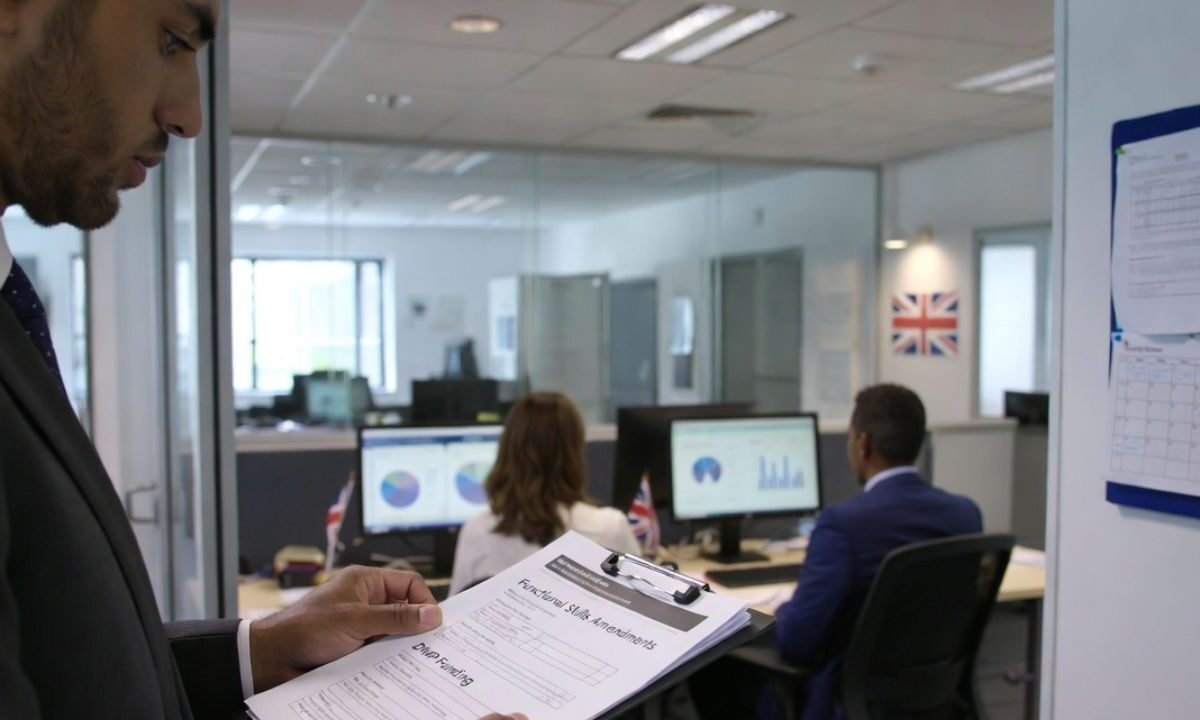
The Department for Work and Pensions (DWP) has introduced important functional skills amendments as part of its latest funding fixes for apprenticeships and adult learning.
These changes aim to make apprenticeships more flexible, reduce barriers, and improve access to English and maths training for adult learners. This article explains all the latest details, facts, figures, and the impact of these changes.
Overview: Functional Skills and the Amendments
Functional skills are essential qualifications in English and maths that help apprentices succeed in work and education. Previously, apprentices aged 19 and over were required to achieve Level 2 functional skills to complete their programme.
The new amendments have removed this mandatory requirement for adult apprentices. This allows learners more flexibility while still encouraging skills development.
Adult apprentices can now complete their apprenticeships without being forced to pass functional skills qualifications, depending on employer agreement.
Key Changes in Funding and Functional Skills
The DWP’s amendments include:
- Exit requirement removed: Apprentices aged 19+ no longer need Level 2 functional skills to finish their apprenticeship.
- Optional training: Apprentices and employers can mutually agree whether to include functional skills in training plans.
- Funding flexibility: Government funding remains available for functional skills if apprentices and employers opt in.
- Young apprentices unaffected: Those aged 16–18 at the start of the apprenticeship still follow previous rules.
- Updated training plans: Apprenticeship providers and employers must adjust training plans to reflect opt-in or opt-out decisions.
These changes form part of a broader funding reform to make apprenticeships more inclusive and aligned with workplace needs.
Functional Skills Amendments and Funding Fixes
| Policy Area | Change | Who It Affects |
|---|---|---|
| Functional Skills Requirement | No longer mandatory for apprentices aged 19+ | Adult apprentices |
| Opt-In/Opt-Out Rule | Apprentices and employers choose whether to include functional skills | Apprentices and employers |
| Funding Availability | Government continues to fund if opted in | All apprentices who choose to study |
| Young vs Adult Apprentices | 16–18s follow old rules, 19+ have flexibility | Young and adult apprentices |
| Training Plans | Must be updated after opt-in/opt-out decisions | Providers and employers |
| Apprenticeship Duration | Optional shorter minimum durations for older apprentices | Adult apprentices across sectors |
Why These Changes Are Important
More Apprentices Can Complete Training
By removing the exit requirement, adult learners are no longer blocked from completing their apprenticeship due to difficulties with functional skills. This encourages more adults to finish their programmes.
Flexibility for Employers
Employers now have more control over training requirements. They can determine if functional skills are necessary for the apprentice’s role, ensuring resources are used effectively.
Funding Still Supports Skills Development
Even though functional skills are no longer compulsory for adults, funding remains available for those who wish to improve literacy and numeracy.
The functional skills amendment under the DWP’s funding fixes represents a significant reform. By removing mandatory Level 2 functional skills for adult apprentices and offering flexibility with funding, the government is creating a more accessible and inclusive apprenticeship system.
This reform ensures apprentices can complete their training, employers can tailor programmes to workplace needs, and learners continue to have the option to improve their skills when desired.
FAQs
Does the Functional Skills requirement still apply to younger apprentices?
Yes, apprentices aged 16–18 at the start of their apprenticeship must still study and pass English and Maths functional skills.
Can adult apprentices still study Functional Skills?
Yes, adult apprentices aged 19+ can choose to study functional skills if both they and their employer agree.
Who decides whether Functional Skills training is included?
The decision is made jointly by the apprentice and the employer through the apprenticeship training plan.