
 Channing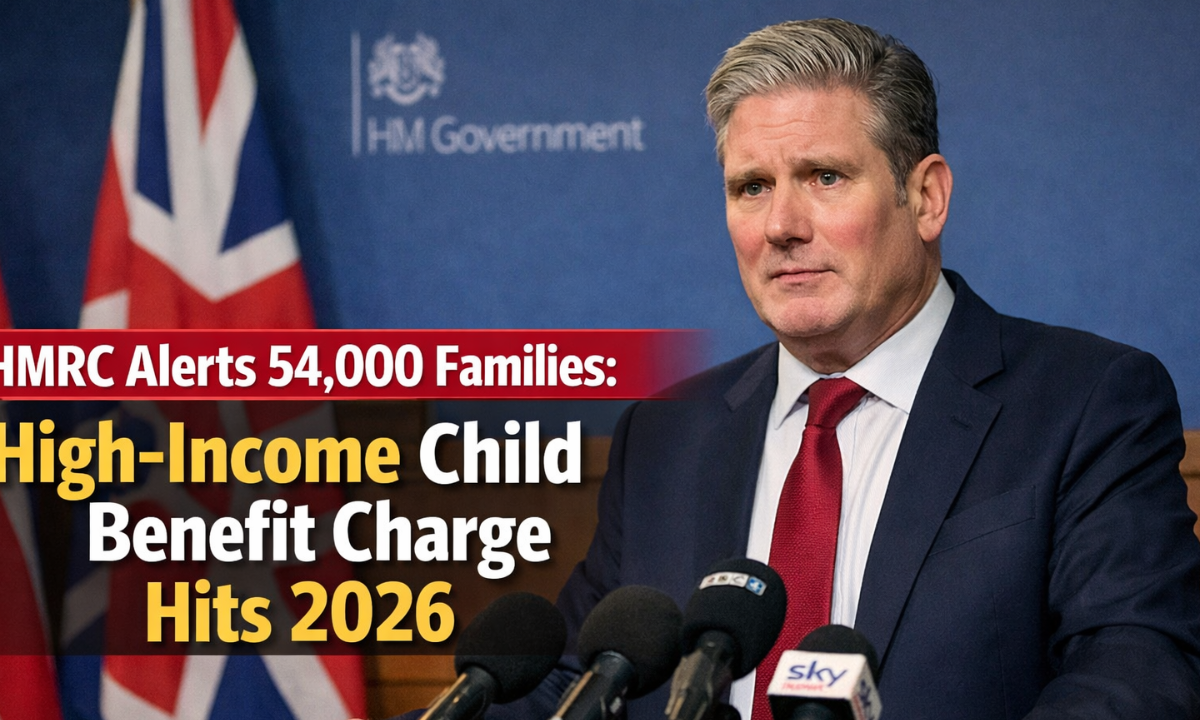
In 2026, HM Revenue & Customs (HMRC) has issued a warning that an estimated 54,000 UK families will become newly liable for the High‑Income Child Benefit Charge (HICBC).
This tax affects households where one parent earns a higher income and claims Child Benefit, the government payment for families raising children.
With the number of affected families rising, it is crucial to understand the thresholds, calculations, repayment obligations, and reporting requirements to avoid unexpected tax bills.
What Is the High‑Income Child Benefit Charge (HICBC)?
The High‑Income Child Benefit Charge is a tax applied when the highest-earning parent in a household has an income above £60,000. The charge is designed to reclaim some or all of the Child Benefit received.
- Income between £60,000 and £80,000: Repayment is calculated at 1% of total Child Benefit for every £200 over £60,000.
- Income of £80,000 or more: Families must repay the full amount of Child Benefit received.
This tax ensures that higher-earning households gradually reduce their Child Benefit entitlement, while lower-income families continue to receive it in full.
Why 54,000 Families Are Newly Affected in 2026
The increase in families affected by HICBC is driven by:
- Rising wages, pushing more households above the £60,000 threshold.
- Frozen tax thresholds, which result in more people becoming liable even without significant income increases.
- Inflation and cost-of-living changes, affecting household income levels.
As a result, 54,000 more families will need to calculate and pay this tax in 2026, making it essential for parents to review their eligibility and plan accordingly.
Key Facts and Figures (2026 Tax Year)
| Detail | Information / Value |
|---|---|
| Families newly affected | 54,000 |
| HICBC starting income threshold | £60,000 |
| Full repayment threshold | £80,000+ |
| Repayment rate | 1% per £200 over £60,000 |
| Payment method | Self-assessment tax return or PAYE adjustment |
| Responsible individual | Highest income earner in the household |
| Filing deadline | 31 January following the tax year |
How the Charge Is Calculated
For example:
- If an individual earns £65,000, they are £5,000 over the £60,000 threshold.
- Divide £5,000 by £200 = 25.
- This means 25% of the total Child Benefit received must be repaid.
- If income reaches £80,000 or more, 100% repayment applies.
The adjusted net income includes total taxable income after allowable deductions, such as pension contributions and charitable donations.
Reporting, Deadlines, and Payment Options
Parents liable for HICBC must submit a self-assessment tax return or adjust payments via the PAYE system if eligible. Payment deadlines are typically 31 January following the tax year. Families should maintain accurate income records to prevent penalties or late charges.
What Families Should Do
- Check your income against the £60,000 threshold.
- Calculate potential repayment to avoid surprises.
- Decide whether to continue claiming Child Benefit or opt out.
- Maintain accurate records for tax reporting.
- Consider financial planning to manage the repayment efficiently.
The HMRC Tax Warning 2026 highlights that thousands of families will now face the High-Income Child Benefit Charge. With 54,000 new households affected, it is crucial to plan, check incomes, and prepare for repayments.
By staying informed, families can avoid penalties, protect National Insurance credits, and manage finances effectively.
FAQs
Who must pay the High-Income Child Benefit Charge?
Parents with adjusted net income above £60,000 who claim Child Benefit are liable, with full repayment required at £80,000 or more.
Can I avoid HICBC if my partner earns less?
Yes. The charge is applied to the highest-earning individual, so partners earning less may not trigger the tax.
Does opting out of Child Benefit affect my tax?
Opting out avoids the tax but may reduce National Insurance credits, which count toward your state pension.