
 Channing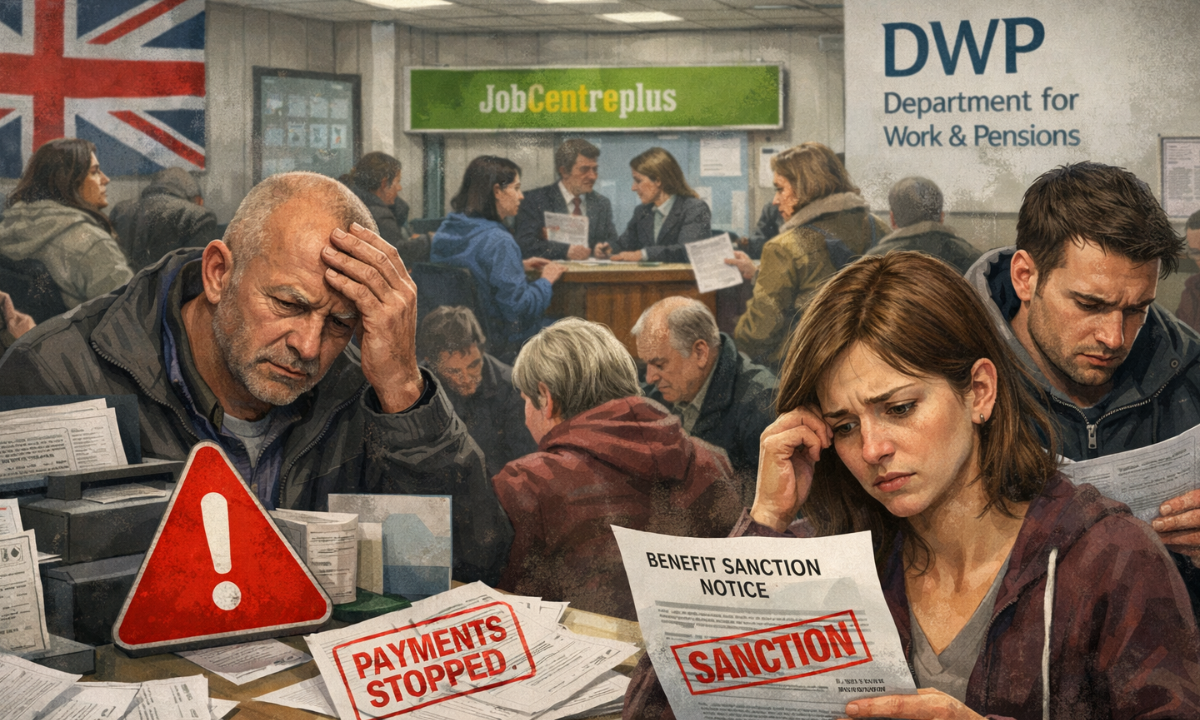
The Department for Work and Pensions (DWP) has revealed that around 63,000 Universal Credit claimants were sanctioned recently. Alarmingly, 90% of these sanctions were issued for the same reason — failing to attend or participate in mandatory interviews.
These sanctions reduce or stop payments, creating significant challenges for many vulnerable individuals. Understanding these figures is important for claimants and anyone interested in the workings of the welfare system.
What Is a Universal Credit Sanction?
A Universal Credit sanction occurs when a claimant does not meet agreed work-related commitments without a valid reason.
This can include missing mandatory interviews, failing to apply for jobs, or not participating in work activities. Sanctions can reduce payments for weeks or even months, affecting day-to-day living expenses.
Key Rules for Sanctions
- Claimants must attend mandatory work-focused interviews.
- Failure to comply without a good reason can lead to payment reduction.
- Sanctions vary depending on the severity of the breach.
Latest Sanctions Figures Overview
| Statistic | Detail |
|---|---|
| Total sanctioned claimants | 63,000 |
| Percentage penalised for missing interviews | 90% |
| Sanction rate | 5.9% of eligible claimants |
| Claimants under conditionality | 2.1 million |
| Completed 4–13 week sanctions | 26,000 cases |
| Completed over 26-week sanctions | 2,800 cases |
| Most common sanction reason | Missing mandatory interview |
These numbers highlight that the majority of sanctions are linked to interviews, showing the importance the DWP places on compliance with work obligations.
Why Most Sanctions Are for the Same Reason
The main cause, accounting for 90% of sanctions, is the failure to attend mandatory interviews. These appointments include meetings with work coaches and job search reviews, which are designed to help claimants find work and remain eligible for benefits. Missing these appointments without a valid reason triggers sanctions automatically.
Impact of Sanctions on Claimants
Sanctions have serious consequences:
- Reduced or stopped payments, sometimes leaving claimants with no income.
- Increased financial hardship, including difficulties paying for rent, food, and utilities.
- Long-term effects: Some sanctions last weeks or months, adding stress and making it harder for claimants to get back on track.
While the DWP argues that sanctions encourage compliance, critics claim they place undue pressure on vulnerable individuals and can worsen hardship rather than helping people move into work.
The DWP’s latest figures show a concerning trend: tens of thousands of claimants are being sanctioned, and an overwhelming 90% for missing mandatory interviews.
While sanctions aim to enforce work commitments, these statistics reveal potential issues in the fairness and effectiveness of the system.
Claimants affected by sanctions face reduced income, higher financial stress, and obstacles to improving their situation. Reviewing the sanction process may be necessary to balance compliance with protecting vulnerable individuals.
FAQs
What is a Universal Credit sanction?
A sanction occurs when a claimant’s payment is reduced or stopped because they did not meet work obligations without a valid reason.
Why do most sanctions happen for missing interviews?
Mandatory interviews are essential for claimants to stay eligible and show engagement in work activities. Missing them triggers most sanctions.
Can someone appeal a sanction?
Yes. Claimants can request a review or appeal if they believe a sanction was unfairly applied.