
 Channing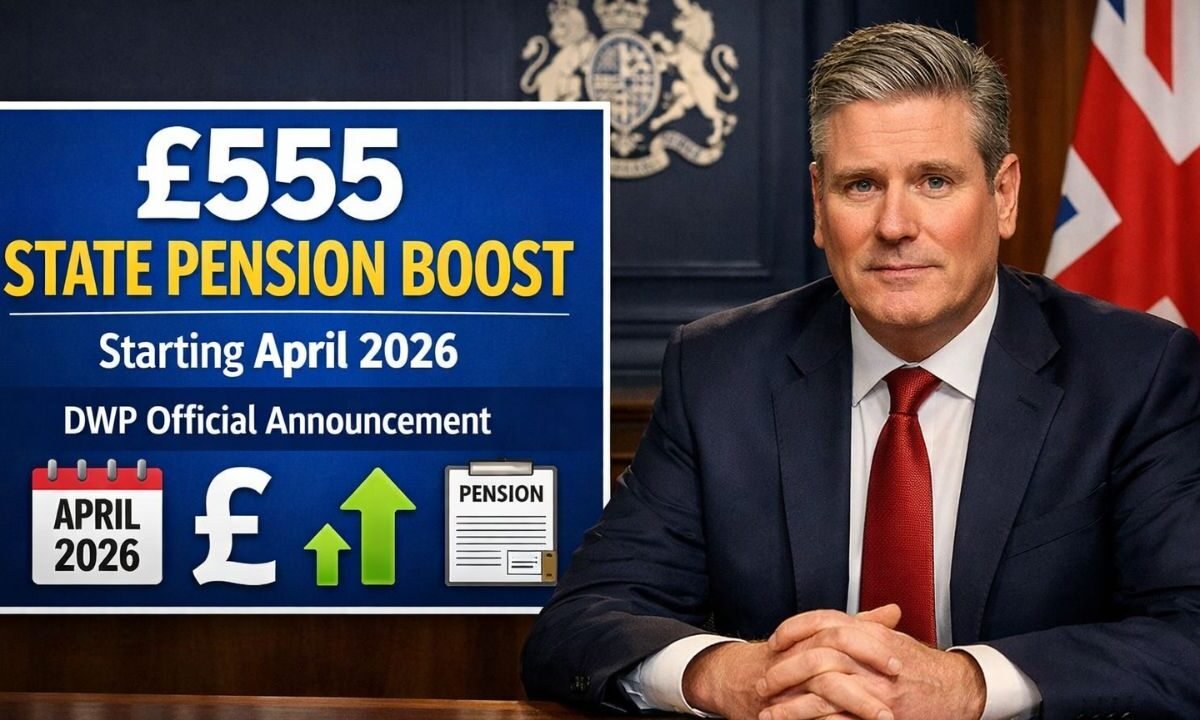
Millions of retirees across the United Kingdom will receive a financial boost as the Department for Work and Pensions (DWP) has confirmed a State Pension increase worth around £555 per year starting in April 2026.
The increase follows the government’s triple lock policy, which ensures pensions rise annually to help retirees keep up with inflation and wage growth.
Beginning 6 April 2026, both the New State Pension and the Basic State Pension will rise by 4.8%, giving pensioners higher weekly and yearly payments in the new tax year. This increase is expected to benefit millions of retirees who rely on the UK State Pension as their main source of income.
In this article, we explain everything about the DWP £555 State Pension increase 2026, including new payment amounts, eligibility rules, and what pensioners should expect.
Why the State Pension Is Increasing in April 2026
The State Pension increase 2026 is based on the UK government’s triple lock system, which guarantees that pensions increase each year by the highest of three measures:
- Average earnings growth
- Consumer Price Index (inflation)
- A minimum increase of 2.5%
For the 2026–2027 financial year, the government confirmed that average wage growth reached 4.8%, which was higher than both inflation and the minimum guarantee. As a result, the State Pension will increase by 4.8% from April 2026.
This policy ensures that UK pensioners maintain their purchasing power despite rising living costs.
New State Pension Payment Rates from April 2026
With the confirmed increase, pensioners receiving the full New State Pension will see their payments rise significantly.
The weekly payment will increase from £230.25 to £241.30, which equals an increase of £11.05 per week.
Over the course of a full year, this adds up to around £555–£575 extra, depending on the exact pension entitlement.
State Pension Rates for 2026
| Pension Type | Previous Weekly Rate | New Weekly Rate (April 2026) | Weekly Increase | Estimated Annual Increase |
|---|---|---|---|---|
| New State Pension | £230.25 | £241.30 | £11.05 | About £555–£575 |
| Basic State Pension | £176.45 | £184.90 | £8.45 | About £440 |
| Full New State Pension Per Year | £11,973 | £12,547.60 | — | About £574 |
The exact amount each person receives will depend on their National Insurance contribution history.
Who Is Eligible for the Full State Pension
Eligibility for the full UK State Pension depends mainly on National Insurance contributions.
New State Pension Eligibility
You qualify for the New State Pension if you reached State Pension age on or after 6 April 2016.
To receive the full amount, you normally need:
- 35 qualifying years of National Insurance contributions
You usually need at least 10 qualifying years to receive any State Pension.
Basic State Pension Eligibility
People who reached State Pension age before April 2016 may receive the Basic State Pension.
For the full amount, most people require:
- 30 qualifying years of National Insurance contributions
If someone has fewer qualifying years, their pension payment will be reduced proportionally.
When the New Pension Payments Start
The DWP State Pension increase 2026 officially takes effect on 6 April 2026, which marks the beginning of the 2026–2027 tax year in the UK.
However, pensioners may see the increase in their bank accounts a few weeks later, depending on their payment cycle.
State Pension payments are usually made:
- Every four weeks
- Based on the last two digits of the National Insurance number
How the £555 Increase Affects Pensioners
The £555 State Pension boost will help retirees manage rising living costs such as:
- Food prices
- Energy bills
- Housing expenses
- Healthcare costs
However, the increase also brings the full New State Pension close to the UK personal tax allowance, which currently stands at £12,570 per year.
Because the new pension total will reach about £12,547 annually, retirees who receive additional income (such as workplace pensions or savings interest) may need to pay income tax on their pension income.
This issue is expected to affect more pensioners in the coming years if pension payments continue to rise.
Other DWP Benefit Increases in 2026
Alongside the State Pension increase, several other DWP benefits will also rise in 2026.
Many working-age benefits linked to inflation will increase by around 3.8%, including:
- Universal Credit
- Personal Independence Payment (PIP)
- Carer’s Allowance
- Disability benefits
These increases are designed to support households dealing with the ongoing cost-of-living pressures in the UK.
The DWP £555 State Pension increase for April 2026 represents an important financial boost for millions of retirees across the UK. With pensions rising by 4.8%, the full New State Pension will increase to £241.30 per week, bringing the annual total to around £12,547.
This increase will help pensioners keep pace with rising living costs and maintain financial stability. However, because the new pension amount is close to the personal tax allowance, some retirees may face new tax considerations if they have additional income.
Overall, the April 2026 State Pension increase remains a significant change for UK retirees and reflects the government’s continued commitment to supporting pensioners through the triple lock policy.
FAQs
How much will the State Pension increase in April 2026?
The State Pension will increase by 4.8%, raising the full New State Pension to £241.30 per week, which equals roughly £555–£575 extra per year.
When will the new State Pension payments begin?
The higher payments will start from 6 April 2026, although pensioners may see the increase slightly later depending on their payment schedule.
How many National Insurance years are needed for the full pension?
Most people need 35 years of National Insurance contributions to receive the full New State Pension.